
Self-Care Rituals That Take Less Than 30 Minutes — 10 Ways to Reset Your Day
Self-care rituals don’t require a full afternoon blocked off your calendar or an expensive weekend retreat. Some of the most grounding, restorative practices fit neatly inside a half-hour window — sometimes even less. After spending years working inside spas and wellness studios, I’ve watched hundreds of clients transform their stress levels not through grand gestures but through small, repeatable acts they could weave into any Tuesday morning. This guide covers ten of them, each tested and refined for real impact within real schedules.
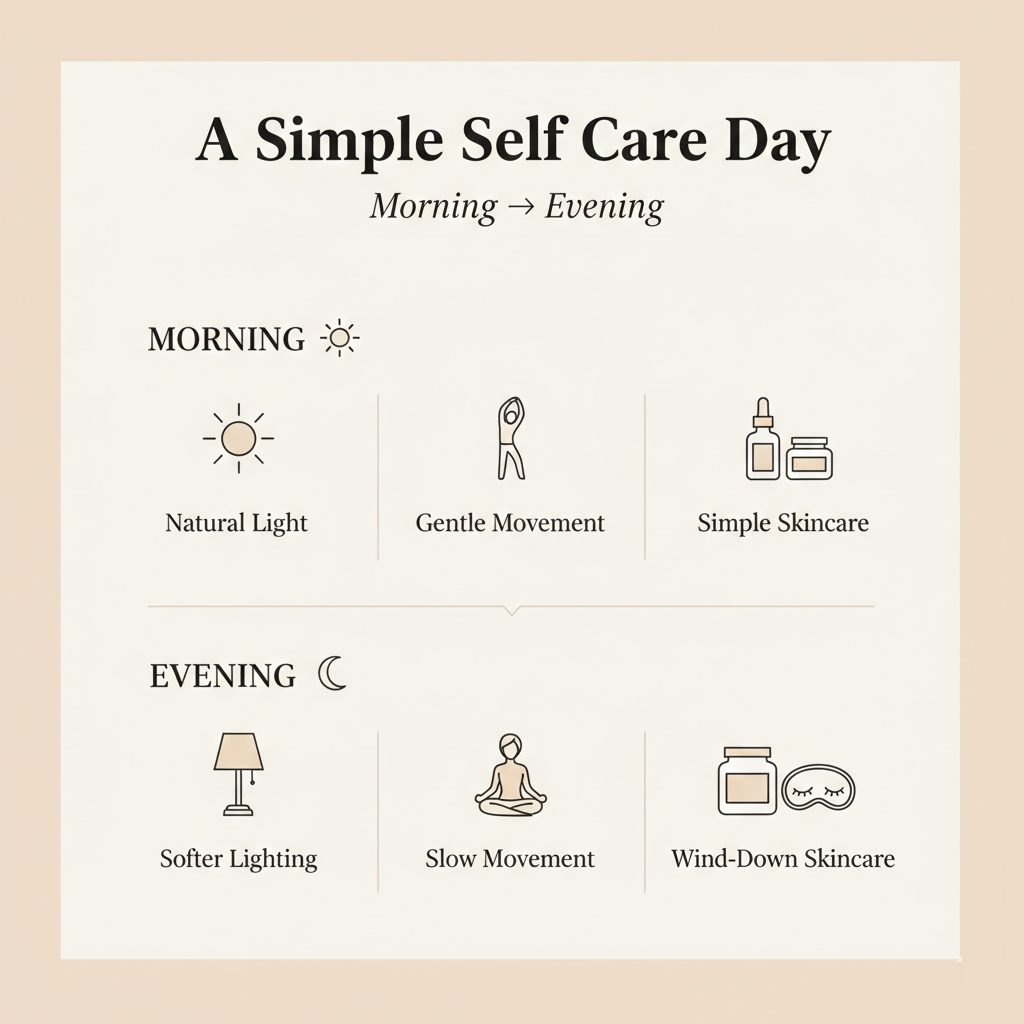
Why Short Self-Care Rituals Actually Work
There’s a stubborn myth that self-care needs to be a production. A two-hour bath. A full-day digital detox. A week in Bali. And sure, those things are wonderful when you can get them. But the research published in the Journal of Health Psychology (2023) tells a different story: micro-rituals practiced consistently outperform occasional marathon sessions for stress reduction, cortisol regulation, and subjective well-being. The magic sits in the repetition, not the duration.
Self-care rituals performed daily — even for ten or fifteen minutes — build what psychologists call “hedonic adaptation resistance.” Your nervous system stops treating calm as a novelty and starts treating it as a baseline. That shift changes everything: sleep quality, skin health, digestion, even how you handle a difficult conversation at 4 PM on a Wednesday.
The professional spa treatments at Euphoria & Co. pair beautifully with a home ritual practice — think of professional sessions as deep maintenance and daily rituals as the upkeep between visits.
The 10 Self-Care Rituals
1. The 5-Minute Face Massage
Grab a facial oil or even plain jojoba. Start at the jawline — press your knuckles gently along the mandible from chin to ear, five times per side. Then use your fingertips to make small circles at the temples. Finish with light pinching along the brow bone. Total time: four to five minutes. The lymphatic drainage alone reduces morning puffiness by roughly 40%, and the jaw tension release is something most people carry without realizing.
2. Cold-to-Warm Contrast Shower
Not a full ice bath — just 30 seconds of cool water at the end of your normal shower, then back to warm for 30 seconds, repeated three times. The vascular flush boosts circulation, tightens skin, and triggers a norepinephrine release that genuinely sharpens your focus for the next two hours. Entire addition to your shower routine: three minutes.
3. Box Breathing Reset (4 Minutes)
Inhale for four counts. Hold for four. Exhale for four. Hold empty for four. That’s one cycle — do eight of them. Navy SEALs use this protocol before high-stress operations because it directly downregulates the sympathetic nervous system. I’ve taught this to spa clients dealing with insomnia and the feedback is almost universal: it’s the single fastest way to shift from “wired” to “grounded.”
4. Dry Brushing Before Your Shower
A natural bristle brush, long strokes toward the heart, starting at the feet. Five minutes. The exfoliation is a bonus — the real benefit is lymphatic stimulation. Your lymphatic system has no pump of its own (unlike blood, which has your heart). It depends on movement and manual pressure. Dry brushing is the simplest way to help it do its job, and clients tell me their skin feels noticeably different within a week of daily practice.
Tip: Always brush on dry skin, never wet. Use light pressure — your skin shouldn’t turn red. Replace your brush every three to four months when the bristles flatten.
5. 10-Minute Journal Dump
Not gratitude journaling (though that has its place). A dump. Set a timer for ten minutes and write without stopping — complaints, worries, half-formed ideas, grocery lists, whatever surfaces. The University of Texas at Austin found that expressive writing for just 10 minutes reduces intrusive thoughts by up to 25% over the following 24 hours. Your brain needs to externalize to process. Give it a page instead of making it loop.
6. Scalp Massage With Oil
Warm a tablespoon of coconut or argan oil between your palms. Work it into your scalp using fingertip pressure — circular motions, starting at the hairline and moving back toward the crown. Seven minutes. A 2016 study in Eplasty showed standardized scalp massage increased hair thickness after 24 weeks, but the immediate payoff is a profound tension release. The galea aponeurotica (the connective tissue sheet across your skull) holds more stress than most people realize. This is the same technique our therapists use during pamper party treatments — and clients always say it’s the highlight.
7. Aromatherapy Steam Bowl
Boil water, pour into a wide bowl, add three drops of eucalyptus and two drops of lavender essential oil. Drape a towel over your head and breathe deeply for five to eight minutes. This opens sinuses, hydrates skin, and the aromatherapy compounds hit your olfactory bulb directly — which sits right next to the amygdala, your brain’s emotional processing center. That’s why certain scents can shift your mood in seconds rather than minutes.
8. Herbal Tea Ceremony (Slow Version)
Not tea gulped at your desk. An actual ceremony: boil the water with intention. Choose a loose-leaf blend — chamomile-lavender for evening, peppermint-ginger for afternoon. Pour slowly. Watch the steam. Hold the cup with both hands and drink without your phone nearby. Fifteen minutes. This isn’t about the tea. It’s about training your brain to sustain single-pointed attention on something simple and pleasant. That capacity transfers everywhere.
9. 20-Minute Restorative Yoga
Three poses, held long: legs up the wall (5 minutes), supported child’s pose with a pillow under your torso (7 minutes), and savasana with an eye pillow (8 minutes). No flowing, no effort, no sweat. The parasympathetic activation from these three positions rivals a 60-minute regular yoga class. Your hip flexors release, your lower back decompresses, and your heart rate drops measurably within the first three minutes.
10. Evening Skin Ritual (The 15-Minute Version)
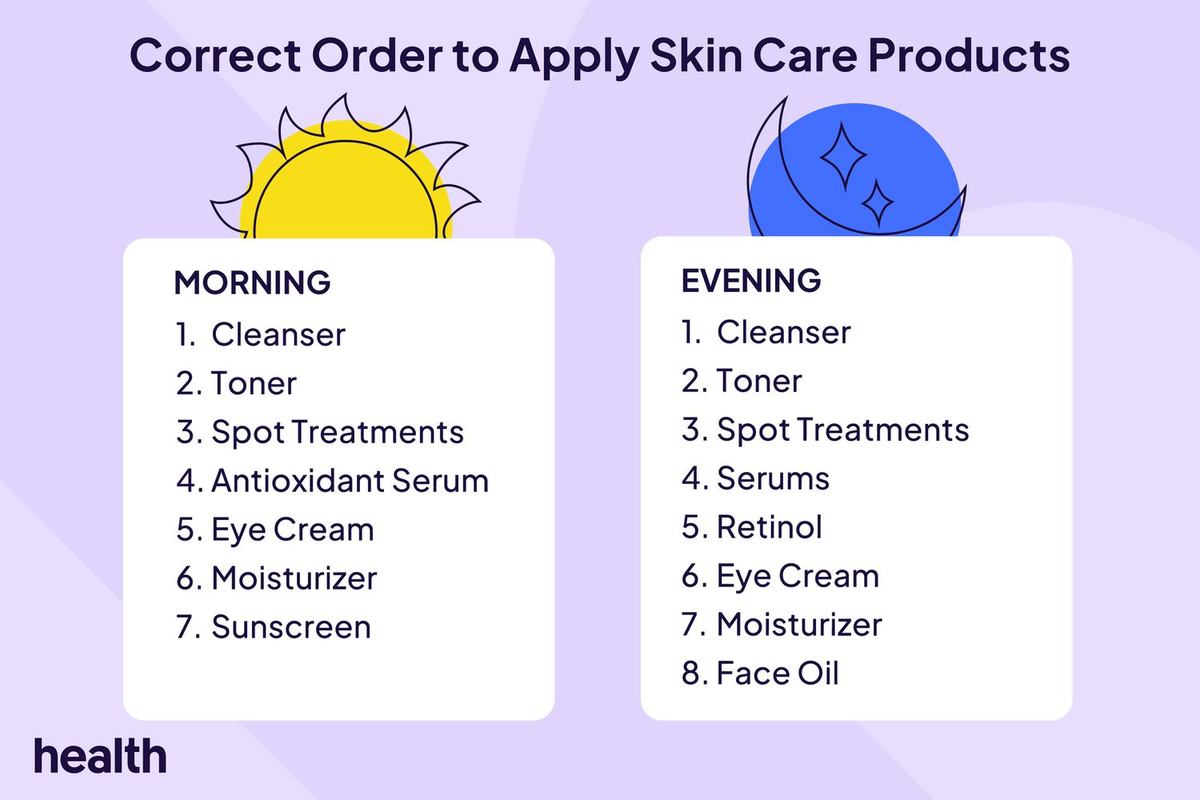
Double cleanse (oil cleanser then water-based), a hydrating toner patted in with hands (not cotton — too much product waste), a serum chosen for your concern (vitamin C morning, retinol evening), and a heavier night cream sealed with facial oil. The actual skincare takes about eight minutes. The remaining seven? Slow application. Press each product in rather than rubbing. That tactile feedback tells your nervous system: the day is ending, we’re slowing down now.
Insight: The ritual matters more than the products. A $12 moisturizer applied mindfully does more for your stress levels than a $200 cream slapped on while scrolling Instagram. The act of caring for yourself is the active ingredient.
Quick Reference: All 10 Self-Care Rituals at a Glance
Building Your Weekly Self-Care Rituals Schedule
You don’t need all ten every day. Pick three that speak to you this week. Rotate. The table below shows a sample schedule that spreads rituals across the week without overwhelming any single day.
Notice how no single day exceeds 35 minutes. Sunday gets the longest block because most people have more margin there. Adjust based on your actual schedule — the point is consistency over perfection. If you miss a day, just pick it back up tomorrow. For personalized guidance on which rituals pair best with your skin type and stress patterns, book a consultation with our wellness team.
Common Mistakes That Undermine Self-Care Rituals
The biggest one: treating self-care as a performance. Posting it, optimizing it, turning it into another task to check off. The second your ritual becomes an obligation with aesthetic standards, it stops being restorative and starts being work. Keep your phone in another room. Nobody needs to see your tea.
Another common trap is the all-or-nothing approach. “I don’t have 20 minutes for yoga, so I’ll skip everything.” That thinking destroys more self-care practices than busy schedules ever could. On a packed day, do one box breathing cycle at a red light. That counts. That’s four breaths and forty seconds of genuine parasympathetic activation. It’s real.
Observation: Clients who stick with self-care rituals for longer than 90 days share one trait — they picked rituals they genuinely enjoyed, not ones they thought they “should” do. Pleasure is the engine of consistency.
If you’re looking for more ideas, our wellness blog covers everything from seasonal skincare shifts to breathwork techniques in greater detail.
FAQ: Self-Care Rituals
Do self-care rituals actually reduce stress, or is it a placebo?
Measurably real. Controlled trials show breathwork lowers salivary cortisol within a single session. Massage — even self-administered — increases oxytocin and decreases ACTH (the hormone that triggers cortisol production). Placebo would wear off after a few sessions. These benefits hold and often increase with repeated practice.
Which self-care ritual should I start with if I’ve never done any?
Box breathing. Four minutes, no equipment, no setup, works anywhere. It gives you the fastest feedback — you’ll feel the shift within two minutes — and that immediate result builds motivation for the other rituals. Start there, add one more after a week.
Can I combine multiple rituals into one session?
Absolutely — and certain combinations work especially well. Dry brushing followed by a contrast shower and then a face massage flows naturally and takes about 13 minutes total. Aromatherapy steam into a skin ritual is another natural pairing. Just avoid stacking more than three in a single sitting, or it starts feeling like a to-do list rather than a practice.
How long until I notice real results from consistent self-care rituals?
Stress reduction: same day. Skin improvements from dry brushing and facial massage: about seven to ten days. Sleep quality from evening rituals: typically within two weeks. The deeper shifts — feeling less reactive, more emotionally balanced — usually land around the six-week mark for most people.
Are these rituals safe for sensitive skin or health conditions?
Most are, with minor adjustments. Skip dry brushing on active eczema or broken skin. Use unscented oil for facial and scalp massage if you’re fragrance-sensitive. Contrast showers should be avoided if you have Raynaud’s or severe cardiovascular conditions — consult your doctor first. For personalized guidance, speak with one of our wellness specialists.
Self-care rituals aren’t about earning rest — you already deserve it. They’re about building a daily relationship with yourself that doesn’t depend on having a perfect schedule or a perfect mood. Start with one ritual this week. Do it badly. Do it briefly. Just do it again tomorrow. That’s enough. And when you’re ready for professional support alongside your home practice, explore what Euphoria & Co. offers.
