
The Science Behind Massage Therapy: Why Your Body Needs This Spa Treatments Guide
Massage therapy isn’t a luxury that became science — it’s a science that became associated with luxury. The distinction matters because it changes how you think about booking your next session. You’re not treating yourself. You’re treating your nervous system, your fascia, your lymphatic circulation, and about forty other physiological processes that respond measurably to skilled manual therapy. This spa treatments guide breaks down what happens inside your body during a massage — and why the effects last longer than the appointment.
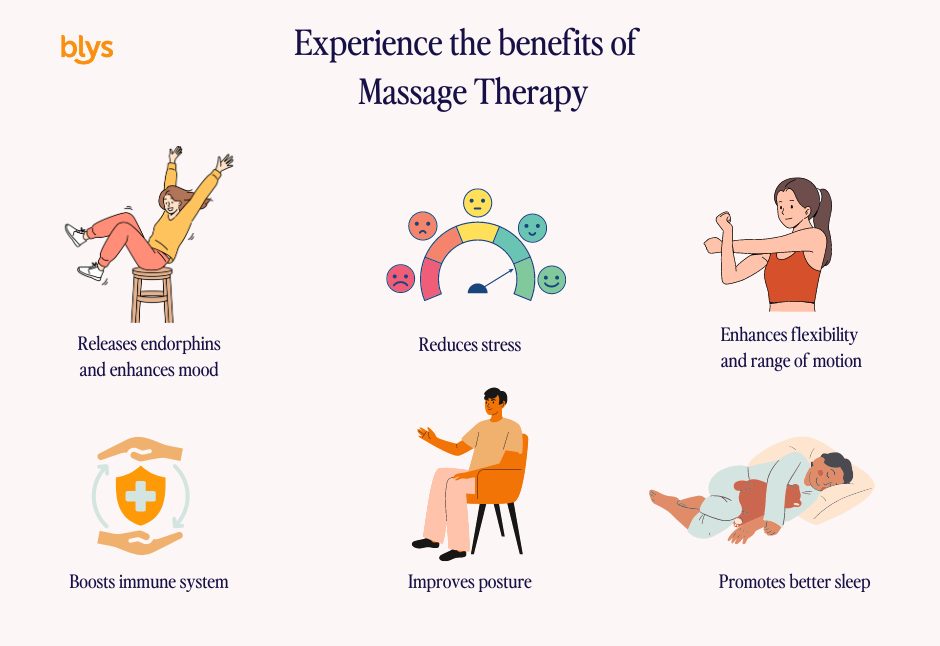
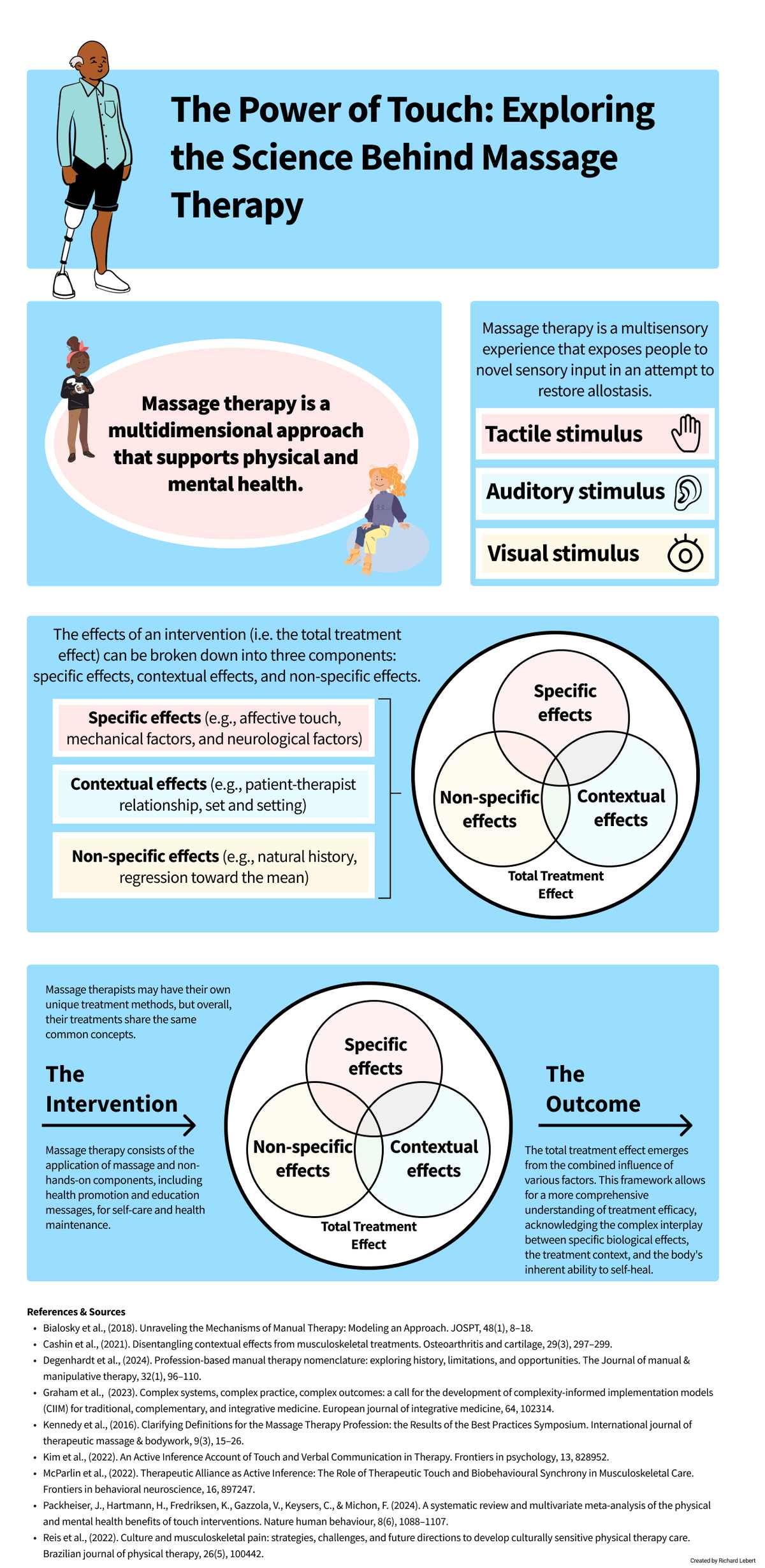
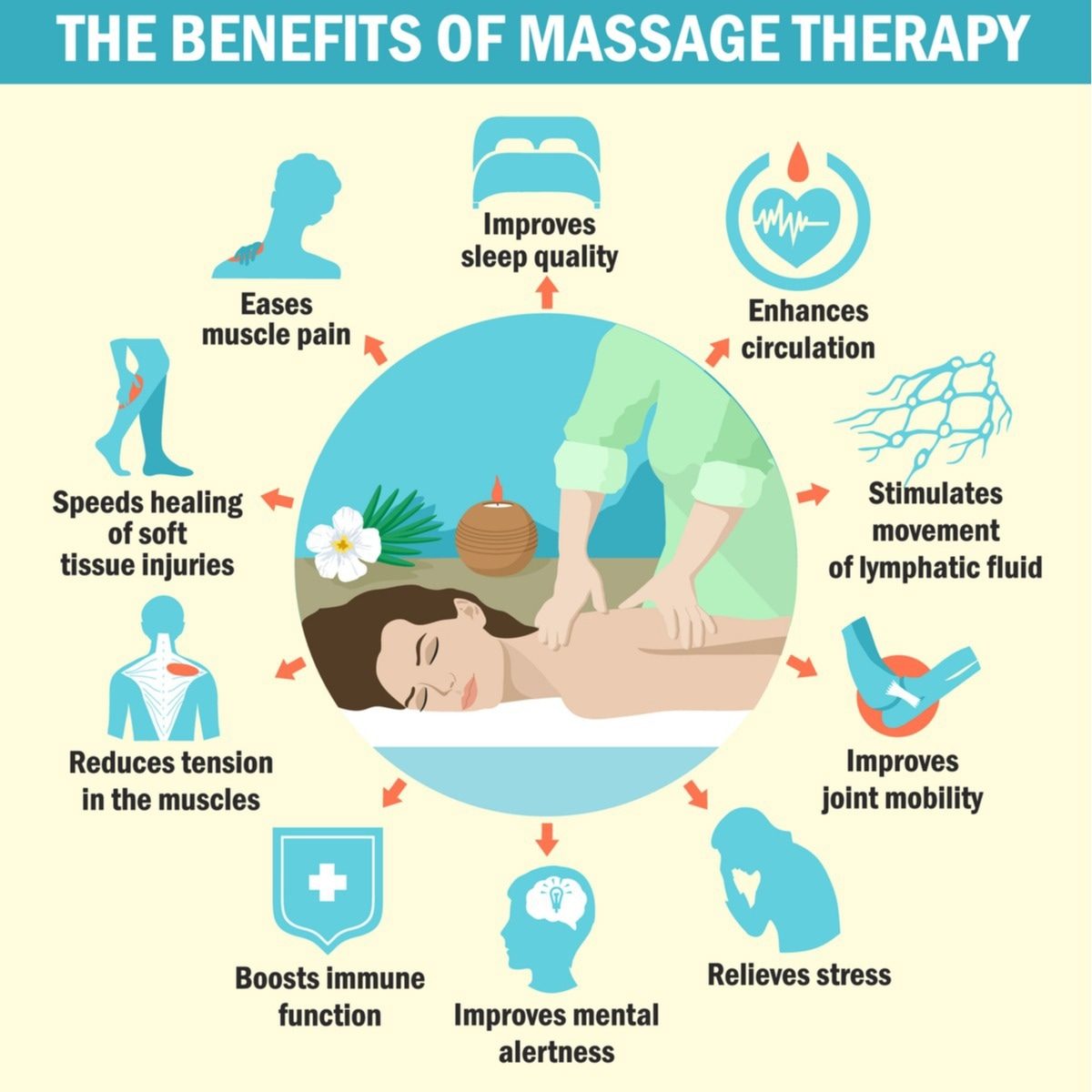
The research on massage therapy has exploded in the last twenty years. PubMed lists over 7,000 peer-reviewed studies examining massage outcomes for conditions ranging from chronic lower back pain to post-surgical recovery to anxiety disorders. The evidence is no longer anecdotal. We know what massage does to cortisol levels (drops them 31% on average, per a University of Miami meta-analysis). We know what it does to natural killer cell activity (increases it, which matters for immune function). We know it reduces inflammation markers in muscle tissue after exercise (University of McMaster, published in Science Translational Medicine).
But knowing that massage “works” isn’t particularly useful without understanding why it works and which type works for what. That’s what separates a spa treatments guide from a spa brochure. The brochure tells you it feels good. The guide tells you which receptors fire, which hormones shift, and which tissue changes persist after you leave the table.
What Happens in the First Five Minutes
Your body starts responding to massage before the therapist addresses any specific problem area. The moment skilled hands make contact with skin, mechanoreceptors in the dermis activate. These pressure-sensitive nerve endings — Meissner’s corpuscles for light touch, Pacinian corpuscles for deep pressure — send signals to the central nervous system that trigger a measurable shift from sympathetic (fight-or-flight) to parasympathetic (rest-and-digest) nervous system dominance.
That shift is not subtle. Heart rate drops. Blood pressure decreases. Respiratory rate slows. The vagus nerve — the longest cranial nerve, running from brainstem to abdomen — increases its tone, which is associated with reduced inflammation throughout the body. All of this happens within the first three to five minutes of a session, before any specific muscular work has begun.
This is why the environment matters — and why a well-designed spa experience produces better outcomes than the same massage techniques performed in a clinical setting. The treatment rooms at Euphoria & Co. are designed to initiate parasympathetic activation before the therapist even enters: controlled lighting, ambient temperature, scent selection, and sound levels all contribute to the nervous system shift that makes the manual therapy more effective.
Insight: The reason you feel different within minutes of lying on a massage table — before the therapist has done any real work — isn’t placebo. It’s your vagus nerve responding to environmental cues and light touch, shifting your entire autonomic nervous system from stress mode to recovery mode. That shift is the foundation everything else builds on.
The Hormonal Response: Cortisol, Serotonin, and Dopamine
Three hormones change measurably during a 60-minute massage session. Understanding these changes explains both the immediate emotional effects and the longer-lasting physiological benefits that make regular massage a health investment rather than an indulgence.
Cortisol — the primary stress hormone. A 2005 meta-analysis by Field, Hernandez-Reif, Diego, and colleagues (published in the International Journal of Neuroscience) found that massage therapy reduced cortisol levels by an average of 31%. Cortisol suppresses immune function, increases blood sugar, promotes fat storage in the abdominal region, and disrupts sleep architecture. Reducing it produces cascading benefits across multiple body systems.
Serotonin — the mood regulation neurotransmitter. The same meta-analysis found serotonin levels increased by an average of 28% following massage therapy. Serotonin influences mood stability, appetite regulation, sleep quality, and pain perception. Low serotonin is associated with depression, anxiety, and sleep disorders — conditions that frequently improve with regular massage protocols.
Dopamine — the reward and motivation neurotransmitter. Massage increased dopamine levels by an average of 31% across studies. Dopamine drives motivation, pleasure, and attention. Its increase during massage explains why you leave a session feeling not just relaxed but also clear-headed and motivated — a combination that pure relaxation techniques (like meditation alone) don’t consistently produce.
Muscle Tissue: What “Knots” Actually Are
The word “knot” isn’t a medical term, but it describes something real. What you feel as a hard, tender spot in a muscle is a myofascial trigger point — a localized area where muscle fibers are stuck in contraction. The sarcomeres (the smallest contractile units of muscle) in that area remain shortened, creating a palpable band of taut tissue that refers pain to predictable patterns elsewhere in the body.
Trigger points form through several mechanisms: sustained posture (desk work), repetitive motion (sports, manual labor), acute trauma (car accident, fall), or emotional stress (which causes involuntary muscle bracing, particularly in the upper trapezius, jaw, and hip flexors). Once formed, they persist because the contracted sarcomeres compress their own blood supply, creating a local energy crisis — the muscle lacks the ATP needed to release the contraction.
Massage addresses this through two mechanisms. First, direct pressure on the trigger point mechanically separates the stuck sarcomeres, restoring length to the muscle fiber. Second, the pressure increases local blood flow, delivering the oxygen and nutrients needed to resolve the energy crisis. The combination explains why trigger point therapy involves sustained pressure (10-30 seconds) rather than quick strokes — you need time for both mechanical and circulatory effects to take hold.
Types of Massage and Their Specific Effects
Not all massage is the same, and understanding the differences transforms your booking decisions from guesswork to strategy. This spa treatments guide covers the four most common modalities and what each one actually does at the tissue level.
Swedish Massage — uses long gliding strokes (effleurage), kneading (petrissage), and rhythmic tapping (tapotement). Primary effect: parasympathetic nervous system activation, improved venous return, superficial muscle relaxation. Best for: general stress reduction, first-time massage clients, relaxation without soreness. Pressure level: light to medium.
Deep Tissue — targets deeper muscle layers using slow strokes and sustained pressure along muscle grain. Primary effect: breaking adhesions between muscle layers, releasing chronic tension patterns, improving range of motion. Best for: chronic pain, postural imbalances, recovery from physical activity. Note: effective deep tissue should not be painful — discomfort that causes you to tense up is counterproductive.
Sports Massage — combines Swedish and deep tissue techniques with passive stretching, joint mobilization, and sometimes muscle energy techniques. Primary effect: enhanced recovery, injury prevention, improved flexibility and performance. Best for: athletes (recreational or competitive), people with active lifestyles, pre-event preparation or post-event recovery.
Hot Stone — uses heated basalt stones as both massage tools and heat sources placed on specific body points. Primary effect: deeper muscle relaxation through thermotherapy, increased circulation to targeted areas, enhanced parasympathetic response. Best for: people who want deep relaxation without deep pressure, cold-weather therapy, stress-related muscle tension. The Euphoria & Co. treatment menu includes hot stone options designed to pair thermal therapy with targeted manual work.
Tip: If you’re booking your first massage, start with Swedish. It establishes your pressure preferences, introduces your body to manual therapy, and produces reliable relaxation without post-session soreness. Save deep tissue for your second or third session, once you know how your body responds to therapeutic touch.
Fascia: The Tissue Nobody Knew About
Until about 2007, fascia was the cling wrap of anatomy — acknowledged but ignored. Then research from the Fascia Research Congress (Harvard Medical School) revealed that this continuous web of connective tissue surrounding every muscle, organ, nerve, and blood vessel plays an active role in force transmission, proprioception, and pain signaling.
Fascia becomes “stuck” through dehydration, inflammation, or mechanical stress. When fascial layers that should glide over each other become adhered, movement quality degrades — not because the muscle is weak or the joint is damaged, but because the tissue surrounding them has lost its ability to slide. Massage techniques that address fascia (myofascial release, fascial stretch therapy) use slow, sustained pressure that gives the tissue time to rehydrate and regain mobility.
The practical implication: some chronic pain and movement restrictions that don’t respond to stretching or strengthening improve with fascial work because the problem isn’t in the muscle or joint — it’s in the connective tissue wrapping. This is why a spa treatments guide that only lists massage types by pressure level misses half the picture. The tissue being targeted matters as much as how hard the therapist presses.
How Often Should You Get a Massage?
This depends entirely on your goals. Research supports different frequencies for different outcomes:
Stress management: Once every 2-4 weeks maintains the cortisol reduction and serotonin boost in a meaningful way. Monthly sessions prevent stress hormones from fully rebounding to baseline between appointments.
Chronic pain management: Weekly sessions for 4-6 weeks to establish change, then tapering to biweekly or monthly maintenance. The initial concentrated period creates cumulative tissue changes that single sessions can’t achieve.
Athletic recovery: 1-2 sessions per week during heavy training blocks, dropping to biweekly during maintenance periods. Timing matters — recovery massage works best 24-48 hours post-exercise, not immediately after (when inflammation is still serving a useful adaptive purpose).
General wellness: Monthly sessions provide measurable benefits in immune function, sleep quality, and mood regulation compared to no massage. The Euphoria & Co. booking system accommodates recurring appointments that make consistent scheduling effortless.
Consider organizing a group spa experience to introduce friends or family to regular massage therapy — the social dimension often helps people maintain consistency with self-care practices they struggle to prioritize alone.
The Sleep Connection
Massage therapy improves sleep quality through multiple pathways. The parasympathetic shift reduces physiological arousal that prevents sleep onset. Serotonin increases provide the precursor for melatonin production (serotonin converts to melatonin in the pineal gland). Cortisol reduction removes the hormonal barrier to deep sleep stages. And pain reduction eliminates the physical discomfort that fragments sleep architecture.
A 2012 study in the Journal of Alternative and Complementary Medicine found that massage therapy improved sleep quality in both healthy adults and those with clinical insomnia. Participants receiving biweekly massage for five weeks reported falling asleep faster, staying asleep longer, and feeling more rested upon waking — improvements that persisted for two weeks after the study’s massage protocol ended.
For people using sleep medication, massage therapy offers a path to reduction (under medical supervision). The natural serotonin and melatonin support, combined with reduced pain and anxiety, addresses the same pathways that sleep medications target — without the dependency risk or morning grogginess. Read more about wellness approaches on the Euphoria & Co. wellness blog.
Verdict: Massage therapy isn’t a treat — it’s a tool. The science behind it is specific, measurable, and reproducible. Your body responds to skilled touch with hormonal shifts, tissue changes, and nervous system recalibrations that affect sleep, immunity, mood, and pain for days after a session. Knowing the science doesn’t make the experience less enjoyable. It makes booking the next appointment feel less like indulgence and more like the informed health decision it actually is.
Frequently Asked Questions
Is massage therapy actually backed by scientific research?
Yes — over 7,000 peer-reviewed studies on PubMed examine massage therapy outcomes. Research institutions including Harvard Medical School, the University of Miami Touch Research Institute, and McMaster University have published findings on massage effects on cortisol (-31%), serotonin (+28%), inflammation markers, immune function, and pain reduction. The evidence base is substantial and growing.
How long do the effects of a single massage session last?
Hormonal effects (cortisol reduction, serotonin increase) typically persist for 48-72 hours after a single session. Muscular effects (reduced tension, improved range of motion) can last 5-7 days depending on your activity level and the source of tension. Cumulative effects build with regular sessions — monthly massage maintains benefits in a way single sessions cannot. Sleep quality improvements show the longest persistence, sometimes lasting 1-2 weeks after a session.
Should massage be painful to be effective?
No. Effective therapeutic pressure should feel like “good discomfort” — intensity you can breathe through without tensing. If you’re bracing against pressure, your muscles contract in opposition to the massage, reducing effectiveness. Deep tissue work may produce post-session tenderness similar to after exercise, but the session itself should never cause sharp pain. Always communicate with your therapist about pressure levels.
Can massage help with anxiety and depression symptoms?
Research supports massage as a complementary approach for anxiety and depression. The 28% average increase in serotonin directly addresses neurotransmitter levels associated with both conditions. Cortisol reduction alleviates the physiological stress component of anxiety. And the parasympathetic nervous system activation during sessions provides the body with practice in shifting from stress states to calm states — a skill that transfers to daily life with regular sessions.
What should I do before and after a massage session?
Before: hydrate well, avoid heavy meals within 2 hours, arrive 10-15 minutes early to decompress. After: continue hydrating (massage mobilizes metabolic waste from tissues that kidneys need water to process), avoid intense exercise for 24 hours (let the tissue changes settle), and notice how your body feels in the days following — this information helps your therapist refine future sessions to your specific responses.
Your body needs massage the way your car needs oil changes — not because something is broken, but because systems under regular use require regular maintenance to function at their best. The science behind massage therapy is clear, specific, and increasingly accepted by medical institutions worldwide. Whether you book monthly for maintenance or weekly for a specific condition, you’re making a decision supported by decades of clinical research. The relaxation is a bonus. The health benefits are the point.
