
Why Taking Time for Yourself Isn’t Selfish — It’s Essential
When searching for spa gift ideas for women, most people focus on the product — the bath bomb, the candle, the robe. But the real gift isn’t the item itself. It’s permission. Permission to stop, breathe, and exist without producing something for someone else. That shift in thinking changes everything about how we approach rest, wellness, and the people we care about most.
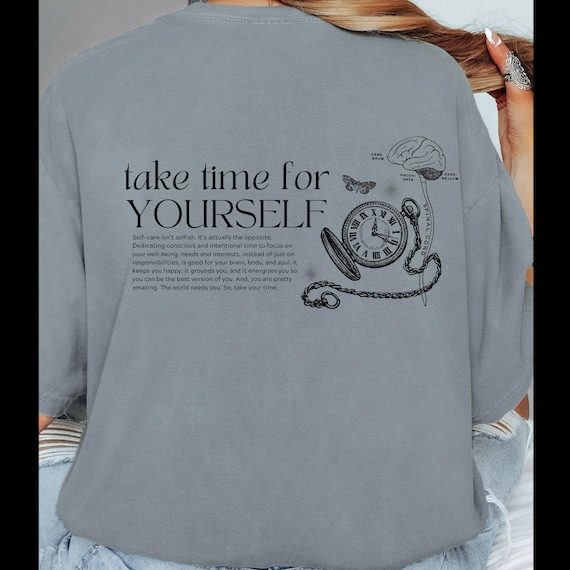
The Guilt Problem: Why We Struggle to Rest
Spa gift ideas for women sell well for a reason — most women won’t buy these things for themselves. A 2023 survey by the American Psychological Association found that 67% of women reported feeling guilty when taking time away from responsibilities. Not “slightly uncomfortable.” Guilty. Like they were stealing hours from their families, their jobs, their obligations.
That guilt has roots. Decades of cultural messaging have linked a woman’s value to her output. How clean is the house? How well-fed are the kids? How many emails got answered after midnight? Rest gets categorized as laziness, and laziness gets categorized as moral failure. It’s a brutal loop.
But here’s what the research actually shows. Dr. Saundra Dalton-Smith, a physician and researcher who studies burnout, identified seven distinct types of rest the human body requires — physical, mental, emotional, social, sensory, creative, and spiritual. Most people running on fumes aren’t sleeping poorly. They’re starved for one or more of these other rest categories that nobody talks about.
Insight: Emotional rest — the ability to be authentic without managing others’ reactions — is the type most caregivers lack. No bath bomb fixes that. But creating space where a woman doesn’t have to perform? That’s a gift with actual staying power.
This is why professional spa services carry weight that a drugstore face mask simply cannot match. Walking into a dedicated space — where someone else handles every detail — provides sensory, emotional, and physical rest simultaneously. The environment does half the work before any treatment begins.
What Science Says About Chronic Self-Neglect
Cortisol is the stress hormone everyone mentions but few understand properly. It’s not inherently bad — it wakes you up in the morning and helps you react to danger. The problem emerges when cortisol stays elevated for weeks or months without adequate recovery periods.
A 2022 study published in Psychoneuroendocrinology tracked cortisol patterns in 340 women over six months. Those who reported no regular self-care practices showed cortisol curves that barely dropped in the evening. Their bodies never fully switched off. The downstream effects included disrupted sleep architecture, increased inflammatory markers, and measurable changes in immune response.

On the flip side, participants who engaged in regular sensory-restorative activities — massage, aromatherapy sessions, dedicated quiet time — showed cortisol normalization within three weeks of establishing a routine. Three weeks. Not months of therapy. Not medication. Structured, intentional downtime.
This data matters when choosing spa gift ideas for women in your life. You’re not buying a luxury. You’re funding a biological reset that her daily routine actively prevents.
Choosing Spa Gift Ideas for Women Who “Never Want Anything”
You know her. Ask what she wants for her birthday and the answer is always “nothing.” Push harder and she’ll suggest something practical — a new blender, maybe, or socks. She’s not being modest. She’s been trained to view personal pleasure as inefficient.
The best spa gift ideas for women in this category share a specific trait: they remove the decision-making burden entirely. Don’t hand her a gift card and say “book something whenever.” She won’t. She’ll tuck it in a drawer and forget it exists because using it would require scheduling around everyone else’s needs, and that math never works out in her favor.
Instead, book the appointment yourself. Pick the date. Arrange coverage for whatever she’d normally be handling during that time. Present it as a done deal, not a suggestion. “Your massage is Saturday at 2. The kids are going to Mom’s. Your only job is to show up.”
That sentence? That’s the actual gift. Everything else is packaging.
Tip: If you’re gifting a spa experience to someone who rarely prioritizes herself, include a handwritten note explaining why you chose it. Something specific — “You carried the family through March and I noticed” — makes the gift impossible to return or re-gift mentally.
Categories of Self-Care That Actually Work
Not all self-care carries equal weight. A scented candle and a 90-minute deep tissue massage exist in entirely different therapeutic categories. Understanding the spectrum helps when selecting spa gift ideas for women at different stages of burnout.
Passive self-care — watching television, scrolling social media, sitting on the couch — provides minimal recovery. It’s better than working, but it doesn’t actively restore depleted systems. The body stays in a low-grade alert state because the mind remains engaged with external stimuli.
Active self-care engages the parasympathetic nervous system directly. Professional massage triggers measurable drops in heart rate within minutes. Aromatherapy using lavender and bergamot has been shown in clinical trials to shift brainwave patterns toward alpha states — the same patterns measured during meditation. Heat therapy in saunas and hot stone treatments increases blood flow to muscles while simultaneously relaxing the central nervous system.

The distinction matters. When someone says “I took a self-care day” and means they watched Netflix for eight hours, they often feel worse afterward — because passive consumption doesn’t address the deficit. Actual restorative experiences require either professional guidance or deliberate environmental change. Usually both.
The Ripple Effect: How One Person’s Rest Benefits Everyone
There’s a persistent myth that self-care is a zero-sum game. If she’s at the spa, someone else has to cover her responsibilities. Time spent on her equals time stolen from the family. That framing is mathematically tidy and psychologically wrong.
Research from the University of Zurich tracked 200 couples over twelve months. Partners who took regular individual restorative time reported 34% higher relationship satisfaction compared to couples where one or both partners never took breaks. The mechanism isn’t mysterious — a rested person is more patient, more creative in problem-solving, and less likely to escalate minor conflicts into major arguments.
Children notice too. A longitudinal study from the University of Michigan found that children whose mothers modeled intentional self-care developed healthier emotional regulation patterns by age twelve. They learned, by watching, that rest isn’t earned through exhaustion — it’s a standard part of functioning well.
This reframes spa gift ideas for women as family investments. A mother who returns from a two-hour treatment with restored patience and genuine energy gives her household something money can’t directly purchase: presence without resentment.
Building a Sustainable Self-Care Practice
One spa day per year isn’t maintenance. It’s triage. The goal should be building recurring restoration into the monthly rhythm of life — the same way we budget for groceries and schedule oil changes.
Start with frequency rather than intensity. A 30-minute monthly facial does more cumulative good than one annual spa marathon. The body responds to consistency. Stress hormones drop faster when the nervous system has been trained to expect regular downtime. It’s similar to how athletes recover better with scheduled rest days versus training until collapse.
Browse the wellness blog for practical ways to weave restoration into a busy calendar. Small, protected windows of genuine rest compound over months into a fundamentally different quality of life.
Verdict: The best spa gift ideas for women aren’t extravagant one-time gestures. They’re invitations to build a pattern — monthly treatments, seasonal rituals, or standing appointments that become non-negotiable parts of the calendar. Consistency heals what single events cannot.
Permission as the Greatest Gift
At the core of every meaningful wellness gift lies a single message: you are allowed to stop. Not because you’ve finished everything. Not because everyone else is taken care of first. You are allowed to stop because you matter independently of what you produce.
That message, delivered through action rather than words, changes how a person relates to rest for years afterward. Women who receive their first professional spa experience as a gift are significantly more likely to book their own follow-up appointments within three months. The barrier was never money or time — it was the internal permission structure that said “this isn’t for people like me.”
Breaking that structure once makes it stay broken. And that’s the point. A well-chosen gift doesn’t just feel good in the moment — it rewrites the recipient’s relationship with their own needs. That ripple travels outward through every relationship she has, every decision she makes about her time, every morning she wakes up and asks herself what today is for.
The answer should sometimes be: me. Just me. And that should feel perfectly fine.
Frequently Asked Questions
What are the best spa gift ideas for women who have never been to a spa?
Start with a single-service appointment rather than a full spa day. A 60-minute Swedish massage or a hydrating facial provides a genuine introduction without overwhelming someone unfamiliar with the environment. Pair it with a brief note explaining what to expect — arrive early, wear comfortable clothing, the therapist will check in about pressure. Removing uncertainty makes the first visit far more relaxing.
How often should someone schedule spa treatments for actual health benefits?
Clinical research supports monthly sessions as the minimum frequency for measurable stress reduction. Bi-weekly treatments show stronger results for chronic tension and anxiety. The key factor is consistency — sporadic visits provide temporary relief, while regular appointments train the nervous system to downregulate more efficiently over time.
Is it better to give a spa gift card or book a specific appointment?
Book the appointment directly whenever possible. Gift cards carry redemption rates around 60-70% for spa services because recipients keep postponing “until a good time.” Pre-booked appointments remove that decision paralysis. If you must give a card, set a specific expiration window and offer to handle scheduling when she’s ready.
Can self-care actually reduce long-term health risks?
Yes, and the evidence is stronger than most people expect. Regular stress-reduction practices — including professional bodywork and spa treatments — are associated with lower blood pressure, improved immune function, reduced inflammatory markers, and better cardiovascular outcomes over five-year tracking periods. The body treats chronic stress as a slow-motion emergency. Interrupting that pattern has measurable protective effects.
What should I do if the person I’m gifting feels guilty about accepting spa time?
Acknowledge the guilt directly rather than dismissing it. Say something like “I know you feel weird about taking time for yourself — that’s exactly why I booked this.” Frame the gift as something that benefits the whole family, because it genuinely does. Rested people are better partners, parents, and friends. If she still resists, offer to join her for a couples or friends session so the experience feels less indulgent and more like shared quality time.
