
Why Taking Time for Yourself Isn’t Selfish — It’s Essential
Facial types for skin matter more than most people realize — but so does the simple act of carving out space for your own wellbeing. Self-care sits at the intersection of science and intuition, and understanding both your skin and your stress response can transform the way you move through life. This isn’t about bubble baths and scented candles (though those help). It’s about survival.
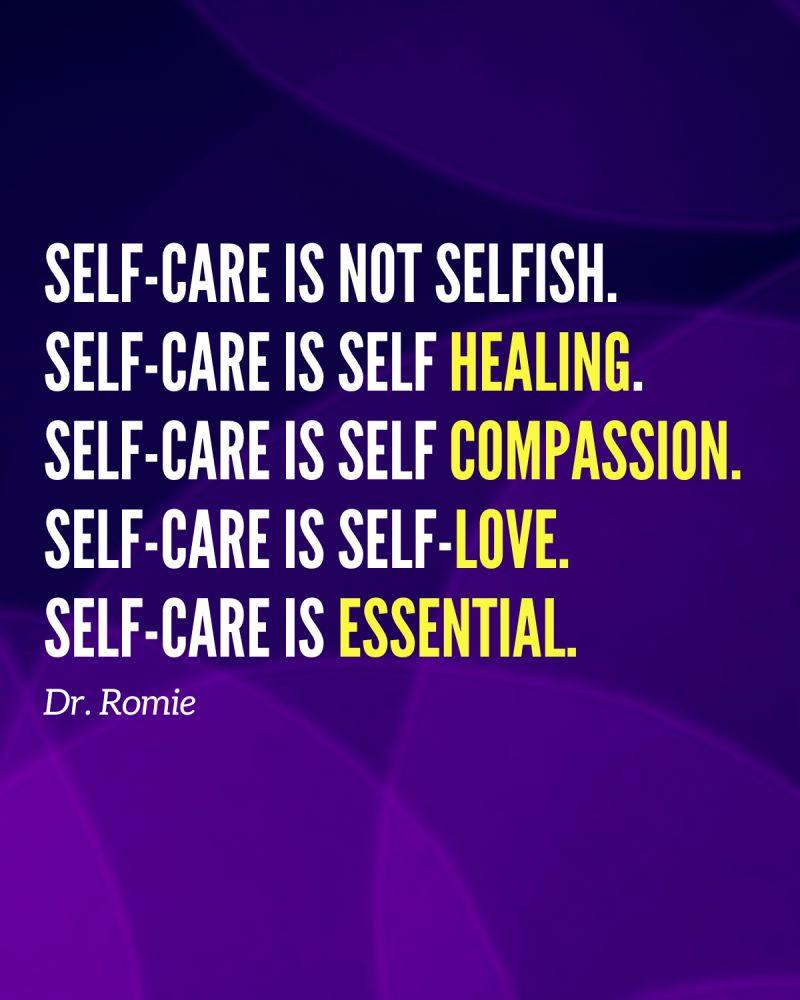
There’s a particular guilt that follows you when you book a spa day. A nagging voice that says you should be doing something productive instead. Answering emails. Cleaning the house. Helping someone else with their problems. That voice is lying to you — and physiological research backs this up with hard numbers.
Chronic stress elevates cortisol levels by an average of 30-40% above baseline. That excess cortisol doesn’t just make you irritable. It breaks down collagen in your skin, disrupts your sleep architecture, weakens immune function, and rewires your brain’s threat-detection circuitry. The American Psychological Association reported in 2024 that 76% of adults experienced at least one stress-related health symptom in the previous month. Three-quarters of us are walking around with bodies that are actively deteriorating because we won’t take a break.
Self-care isn’t a luxury product. It’s maintenance. The same way you change the oil in your car before the engine seizes, you need to address your body’s stress load before it manifests as chronic disease, persistent skin conditions, or clinical burnout.
Understanding Facial Types for Skin — And Why It Matters for Self-Care
One of the most practical starting points for a self-care routine is understanding your skin. Facial types for skin aren’t just cosmetic categories — they’re windows into your overall health. A sudden shift from normal to oily skin can signal hormonal imbalance. Persistent dryness might indicate dehydration or thyroid dysfunction. Knowing your baseline helps you notice when something’s off.
Here’s what most skincare marketing won’t tell you: your skin type can change every 5-7 years, and sometimes faster based on stress, diet, medication, and climate. The classification system dermatologists use today was developed by Dr. Leslie Baumann and expanded beyond the traditional four categories.
What stands out in that table is the last column. Every skin type has a stress tell. Your face is a dashboard for your nervous system, and ignoring the warning lights doesn’t make the problem go away — it compounds it.
A trained esthetician can read your skin the way a mechanic reads engine codes. That’s not an exaggeration. Dehydration lines around the eyes, congestion along the jawline (hormonal), redness across the cheeks (inflammation or rosacea triggers) — each pattern tells a story about what’s happening internally. Booking a professional facial isn’t vanity. It’s diagnostics.
The Neuroscience of “Me Time”
Your autonomic nervous system operates in two primary modes. The sympathetic branch — fight-or-flight — and the parasympathetic branch — rest-and-digest. Modern life keeps most people locked in sympathetic dominance for 14-16 hours a day. Commuting, deadlines, social media notifications, financial stress, parenting demands. Your body is pumping adrenaline and cortisol as if a predator is chasing you through a forest. Except the predator is an overdue credit card bill and a boss who sends emails at 11 PM.
Parasympathetic activation requires deliberate intervention. It doesn’t happen automatically when you collapse onto the couch at 9 PM — especially if you’re scrolling your phone while Netflix plays in the background. That’s stimulation disguised as rest.
Real parasympathetic activation looks like this: slow breathing (6 breaths per minute activates the vagus nerve), warm water immersion (baths, steam rooms), gentle touch (massage, facial treatments), darkness or low light, absence of digital stimulation. A 2023 study published in Frontiers in Psychology found that 60 minutes of professional spa treatment reduced salivary cortisol by 31% and increased oxytocin levels by 18%. That’s not placebo. That’s measurable biochemistry.
Clinical Note: The vagus nerve — the longest cranial nerve in your body — controls heart rate, digestion, immune response, and mood regulation. Facial treatments directly stimulate vagal tone through pressure points around the jaw, temples, and orbital bone. This is why you feel drowsy during a facial. Your body is literally switching operational modes.
This is also why facial types for skin analysis matters in the context of stress management. When a skilled therapist identifies stress-related skin changes — increased transepidermal water loss, elevated skin temperature in the T-zone, micro-inflammation — they’re seeing the downstream effects of sympathetic overdrive. The treatment addresses the symptom (the skin condition) while simultaneously triggering the cure (parasympathetic activation). It’s elegant biology.
Permission Structures: Why We Struggle to Prioritize Ourselves
Guilt around self-care has deep cultural roots. In collectivist societies, individual needs are expected to yield to group demands. In productivity-obsessed Western cultures, rest is coded as laziness. Either way, taking time for yourself triggers a permission problem — you feel like you need someone else’s approval to stop.
Dr. Kristin Neff’s research on self-compassion at the University of Texas revealed that people who regularly practice self-care score 23% higher on measures of emotional resilience and are actually MORE productive at work than those who grind without breaks. The data is counterintuitive but consistent: people who take care of themselves give more to others, not less.
Think of it this way. An emergency room nurse working a 12-hour shift needs to eat lunch. Nobody calls that selfish. But when that same nurse books a massage on her day off, she feels guilty about it. The logic doesn’t hold up. Both actions serve the same purpose: maintaining functional capacity to help others.
Parents are particularly vulnerable to this trap. The mental load of childcare, household management, and often full-time employment creates a triage mentality where personal needs always fall to the bottom of the list. Yet studies from the Journal of Family Psychology consistently show that parents who maintain self-care practices report higher satisfaction with parenting and lower rates of resentment toward their partners and children.
You cannot pour from an empty cup. That phrase has become a cliche, which is unfortunate, because the underlying physiology is real. Adrenal fatigue, burnout syndrome, compassion fatigue — these are clinical conditions that develop when people chronically neglect their own recovery needs.
Perspective: Self-care is not the absence of responsibility. It’s the presence of self-preservation. A firefighter who refuses to drink water during a wildfire isn’t brave — they’re a liability. The same principle applies to every human who pushes through exhaustion as a point of pride.
Building a Self-Care Practice That Actually Works
The biggest mistake people make with self-care is treating it as an event rather than a system. A quarterly spa day is wonderful, but it can’t undo 90 days of accumulated stress. The most effective approach combines daily micro-practices with periodic intensive treatments.
Daily practices take 5-20 minutes. Morning skincare rituals (properly matched to your facial type), evening wind-down routines, breathwork, journaling, a 10-minute walk without your phone. These small deposits build compound interest in your stress resilience bank.
Weekly practices run 30-60 minutes. An at-home mask treatment, a long bath with magnesium salts, a yoga session, a technology sabbath for a few hours. Monthly practices are where professional treatments come in — facials, massages, body treatments that require trained hands and clinical-grade products.
The tiered approach works because it removes the “all or nothing” mentality that derails most self-care attempts. Missing one day of breathwork doesn’t undo your monthly facial. Skipping a weekly mask doesn’t cancel your daily routine. Each layer operates independently while reinforcing the others.
The Skin-Stress Connection: What Your Face Is Telling You
Psychodermatology — the study of the connection between mind and skin — has gained significant clinical traction in the last decade. The skin and the brain develop from the same embryonic tissue (the ectoderm), which means they share neurotransmitter pathways. When your brain is stressed, your skin knows about it within hours.
Here’s what that looks like in practice. Acute stress (a job interview, a difficult conversation) triggers histamine release, causing temporary flushing and sensitivity. Chronic stress suppresses filaggrin production — a protein critical to skin barrier function — leading to increased water loss, dryness, and susceptibility to irritants. Prolonged cortisol elevation increases sebum production and alters the skin microbiome, creating conditions for acne, perioral dermatitis, and eczema flares.
This is why a good esthetician asks about your stress levels, sleep quality, and recent life changes before touching your face. The treatment protocol for stress-related acne differs significantly from hormonal acne or comedogenic product reactions. Same symptom, different root cause, different solution.
Skin Insight: The gut-skin axis is another pathway through which stress damages your complexion. Stress alters gut microbiome diversity within 48 hours, increasing intestinal permeability, which triggers systemic inflammation visible in the skin as redness, puffiness, and accelerated aging. Probiotics and stress management together produce better skin outcomes than topical treatments alone.
Setting Boundaries Without Apology
Boundary-setting is the mechanical skill behind self-care. Without boundaries, every good intention gets bulldozed by other people’s urgency. And boundaries feel uncomfortable because they require you to disappoint someone — at least temporarily.
Practical boundaries for self-care include: blocking time on your calendar the same way you’d block a doctor’s appointment (because it is one). Telling your family that Tuesday evenings from 7-9 PM are yours. Turning off notifications during your morning skincare routine. Saying “I can’t do that this weekend” without adding a justification.
The justification trap is worth examining. When you explain WHY you need time for yourself, you’re implicitly asking for permission. “I can’t come because I have a spa appointment” invites judgment. “I’m not available Saturday afternoon” does not. You don’t owe anyone an explanation for maintaining your health.
Relationships actually improve when both people maintain individual self-care practices. Codependency research consistently shows that couples who maintain separate interests and personal maintenance routines report 34% higher relationship satisfaction than those who do everything together. Space creates longing. Restoration creates generosity. You come back from your time away as a better version of yourself — and everyone around you benefits from that.
Practical Self-Care for Different Life Stages
Self-care needs shift as you age. A 25-year-old’s stress profile looks different from a 45-year-old’s, and both look different from a 65-year-old’s. Your skin changes too — what worked at 30 may actively harm your skin at 50. The acid exfoliants that kept your pores clear in your twenties can compromise an already-thinning barrier in your fifties.
In your twenties, self-care is about building habits before you need them. Prevention. Sunscreen every day (this single habit prevents more aging than any serum on the market). Learning your facial type. Establishing a sleep routine. Starting a stress management practice before burnout hits.
In your thirties and forties, self-care becomes maintenance and course correction. Hormonal shifts, career peak stress, potential parenthood — all of these change your skin and your nervous system simultaneously. This is the decade where professional treatments start paying dividends, because you’re fighting active degradation rather than simply preventing future damage.
In your fifties and beyond, self-care is about restoration and quality of life. Skin becomes thinner, drier, and slower to heal. The focus shifts to hydration, gentle stimulation (LED therapy, oxygen facials), and protecting what you’ve built. Stress management becomes even more critical because the physiological buffer you had at 30 has narrowed — your body recovers more slowly and the damage from chronic stress accumulates faster.
Frequently Asked Questions
How often should I get a professional facial for my skin type?
Most dermatologists and estheticians recommend professional facials every 4-6 weeks, which aligns with your skin’s natural cell turnover cycle of approximately 28 days. Oily and acne-prone skin types may benefit from treatments every 3-4 weeks, while dry or sensitive skin types can space them out to every 6-8 weeks. The key is consistency rather than frequency — regular monthly treatments outperform sporadic intensive sessions.
Can self-care actually reduce visible signs of aging?
Yes, and the evidence is measurable. A 2022 study in the Journal of Investigative Dermatology found that participants who maintained consistent stress management practices (meditation, professional spa treatments, regular sleep schedules) showed 23% less epidermal thinning over a 5-year period compared to controls. Cortisol directly degrades collagen and elastin — reducing cortisol through self-care literally preserves your skin’s structural proteins. Combined with proper skincare for your facial type, the effects are cumulative and visible.
What if I truly don’t have time for self-care?
The “no time” objection is usually a priority objection in disguise. Track your screen time for one week — the average American spends 3 hours and 15 minutes daily on their phone outside of work. Redirecting 15 minutes of scrolling toward a skincare routine or breathwork exercise is a time-neutral swap. For genuinely overloaded schedules, start with the absolute minimum: a 3-minute morning skincare routine and 2 minutes of deep breathing before bed. That’s 5 minutes. Nobody lacks 5 minutes.
Is expensive skincare necessary, or do drugstore products work just as well?
Active ingredients matter more than price tags. Drugstore products with proven ingredients — hyaluronic acid, niacinamide, retinol, ceramides — can perform as well as premium lines. The real difference often lies in formulation stability, concentration levels, and delivery systems. Where professional treatments excel is in using clinical-grade concentrations that aren’t available over the counter and applying them with techniques that improve penetration. A good strategy: invest in professional treatments monthly and use effective drugstore products daily.
How do I know if my self-care routine is actually working?
Measurable indicators include: improved sleep quality (falling asleep within 15 minutes, fewer night wakenings), clearer and more even skin tone within 4-6 weeks, reduced frequency of stress-related breakouts, lower resting heart rate (track with a fitness watch), fewer headaches, and improved digestion. Take monthly photos of your skin in the same lighting to track changes objectively. If nothing improves after 8-12 weeks of consistent practice, consult a dermatologist or esthetician — you may be using the wrong approach for your specific facial skin type.
The Bottom Line: Self-Preservation Is Not Selfish
The research is clear. The physiology is clear. Taking time for yourself — whether that’s a 5-minute breathing exercise, a proper skincare routine matched to your facial type, or a full day at the spa — produces measurable improvements in your physical health, mental clarity, emotional regulation, and relationship quality. Neglecting self-care doesn’t make you noble. It makes you depleted.
Start where you are. If you’ve never had a professional facial, book one. Not because you “deserve” it (though you do), but because your skin, your nervous system, and your cortisol levels are sending signals that require professional attention. If you already have a routine, protect it with boundaries. Guard your self-care time the way you guard your work commitments — because the person who shows up without it is a diminished version of the person who does.
You are not a machine that runs indefinitely without maintenance. You are a biological system that requires rest, repair, and restoration. Honoring that isn’t selfish. Ignoring it is reckless.
