
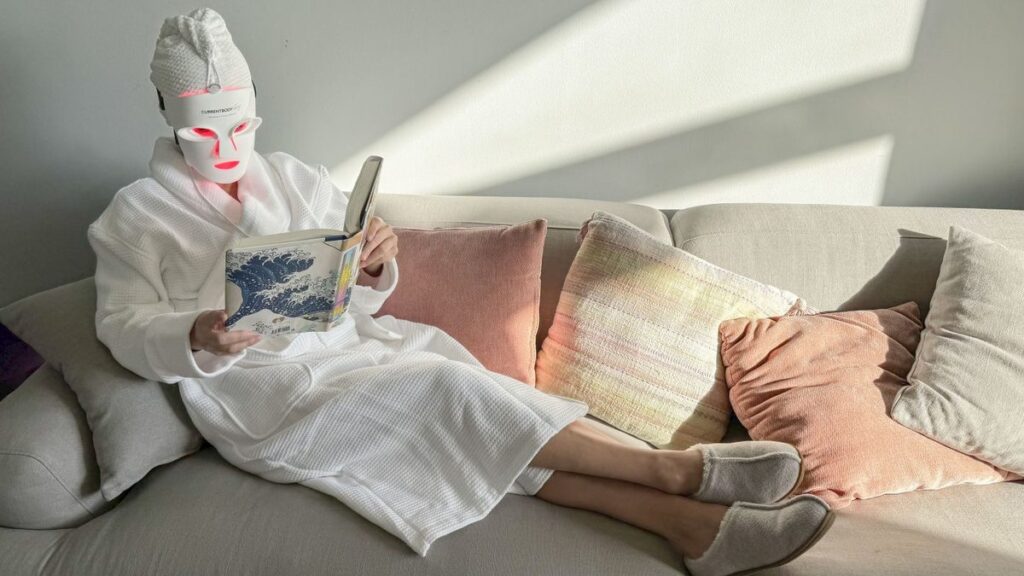
Creating a Home Spa Experience: Products, Rituals, and Self-Care That Works
Professional spa treatments deliver results, but consistent home rituals build the foundation. From morning routines to evening wind-downs, here is how to bring genuine spa-level care into your own space — including the anti aging treatments 2025 has made accessible to everyone.
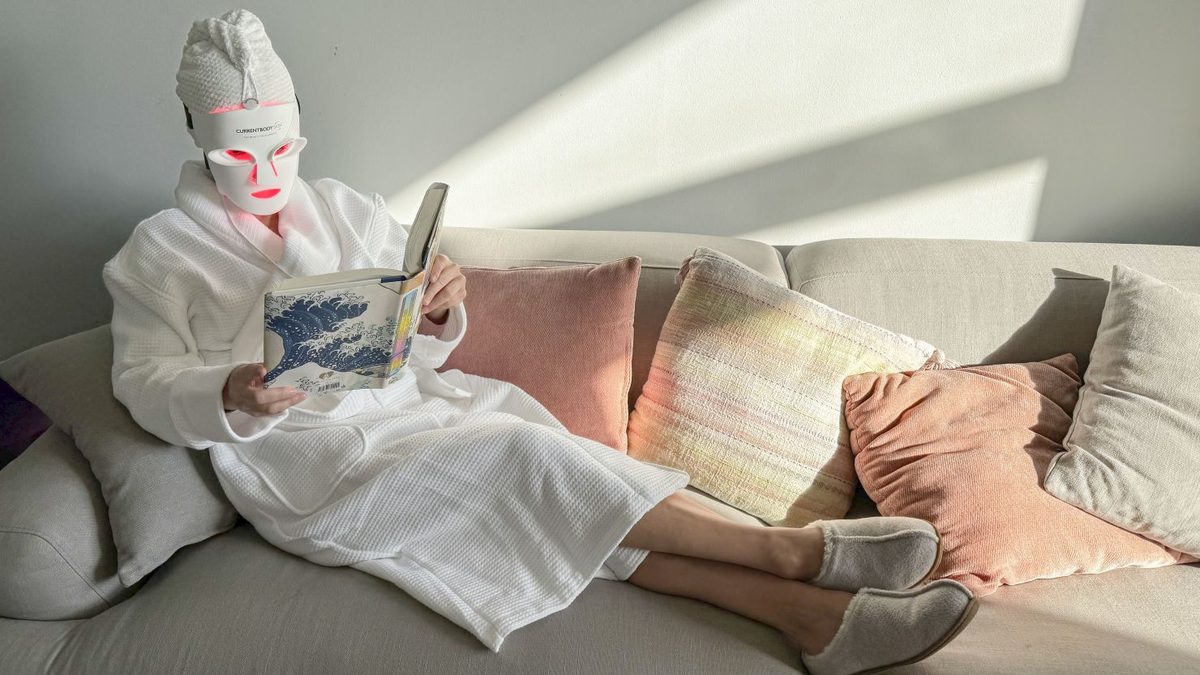
Anti aging treatments 2025 has brought into mainstream accessibility used to require a dermatologist’s office and a four-figure invoice. LED light therapy devices that cost $3,000 in clinical settings now have home versions for under $300. Microcurrent toning tools sit beside toothbrushes in bathrooms across the country. Retinoid formulations that were prescription-only a decade ago are available in elegant over-the-counter serums. The gap between professional spa and home spa has never been narrower.
But products alone do not create a spa experience. Products are instruments. The experience lives in ritual — the sequence, the timing, the environment, the intention you bring to each step. I have spent years testing skincare protocols, and the single biggest predictor of results is not which $200 serum you choose. It is whether you actually use it consistently, in the right order, at the right time. Ritual creates consistency. Consistency creates results.
Building Your Space: Environment Before Products
The physical space sets the psychological tone for everything that follows. A spa experience in a cluttered bathroom with harsh overhead lighting is fighting against itself from the first moment. You do not need a renovation. You need intentional adjustments that shift the sensory environment from “functional room” to “sanctuary.”
Lighting comes first. Replace your main bathroom light with a dimmer switch — $15 at any hardware store, 20 minutes to install. Alternatively, use battery-operated LED candles (real candles near water and oils carry genuine fire risk). The goal is warm, low-level illumination that relaxes your pupils and signals “rest” to your nervous system. Cool fluorescent light triggers alertness. Warm amber light promotes relaxation. This is not mysticism — it is photobiology.
Scent anchors the experience in memory. Choose one signature scent for your spa ritual and use it exclusively in that context. Lavender, eucalyptus, bergamot, and cedarwood are classic choices because their volatile compounds have measurable effects on cortisol levels. A 2023 meta-analysis of aromatherapy studies found that lavender inhalation reduced self-reported anxiety scores by 15-25% across multiple populations. A single essential oil diffuser running during your ritual creates an olfactory trigger — after a few weeks, the scent alone begins to initiate relaxation before you touch a single product.
Temperature matters more than most people realize. A warm bathroom (22-24°C) allows products to absorb more effectively because heat increases blood flow to the skin’s surface, opens pores slightly, and keeps muscles relaxed. A cold bathroom creates tension — you rush through steps, skip the ones that require patience, and the entire ritual loses its restorative quality. A small space heater running for 10 minutes before you begin is a minor investment with major impact. Browse our blog for seasonal spa setup ideas.
Ritual Design Tip: Create a specific playlist for your spa time — 30-45 minutes of ambient or acoustic music. The playlist becomes a temporal anchor. When the music starts, your brain begins associating those sounds with relaxation. After two weeks of consistent use, pressing play on that playlist triggers a measurable drop in heart rate and muscle tension before you even begin your routine.
The Evening Ritual: A Step-by-Step Protocol
The most effective home spa ritual happens in the evening, 60-90 minutes before sleep. This timing maximizes skin repair (which peaks during sleep), reduces cortisol at a point when your body naturally begins its descent toward rest, and creates a transition between the active demands of your day and the passive recovery of your night.
Start with a double cleanse. Oil-based cleanser first — this dissolves sunscreen, makeup, and the lipid-based pollutants that accumulate on skin throughout the day. Massage it into dry skin for 60 seconds. Then rinse and follow with a water-based cleanser (gel or cream) for 30 seconds. This two-step approach removes 99% of surface contaminants compared to roughly 80% for a single cleanse. The difference shows up in reduced congestion and better product absorption in subsequent steps.
Exfoliation happens next, but not daily. Two to three times per week is the ceiling for most skin types. Chemical exfoliants (AHA for surface texture, BHA for pore congestion) outperform physical scrubs for most anti aging treatments 2025 protocols recommend. Apply your exfoliant, wait the recommended time (typically 5-10 minutes for leave-on acids), then proceed. Over-exfoliation strips the moisture barrier and creates the exact redness, sensitivity, and accelerated aging you are trying to prevent.
Masking follows exfoliation on treatment nights. Sheet masks are convenient but create waste. Wash-off masks — clay for oil control, hyaluronic acid gel for hydration, enzyme-based for brightening — work equally well and produce less plastic garbage. Apply generously, recline for 15-20 minutes, and use this time for the mental component: deep breathing, body scanning, or simply being still. The mask is working on your skin. Stillness is working on your nervous system.
Serum application is where the anti aging treatments 2025 technology really shows its advancement. Vitamin C (L-ascorbic acid at 15-20%) for morning use protects against UV damage and brightens. Retinol or retinal (0.3-1%) for evening use accelerates cell turnover and collagen production. Niacinamide (5-10%) morning or evening supports barrier function and reduces pore appearance. Peptide serums signal collagen production. Layer these from thinnest to thickest consistency, allowing 30-60 seconds between layers for absorption.
| Step | Product Type | Duration | Frequency | Key Benefit |
|---|---|---|---|---|
| 1. Oil Cleanse | Cleansing oil or balm | 60 seconds massage | Daily (PM) | Removes sunscreen, makeup, pollutants |
| 2. Water Cleanse | Gel or cream cleanser | 30 seconds | Daily (PM) | Removes remaining water-soluble debris |
| 3. Exfoliate | AHA/BHA acid or enzyme | 5-10 minutes | 2-3x per week | Removes dead cells, improves texture |
| 4. Mask | Clay, gel, or enzyme mask | 15-20 minutes | 1-3x per week | Targeted treatment (pores, hydration, glow) |
| 5. Serum(s) | Retinol, vitamin C, peptides | 2-3 minutes (layering) | Daily | Anti-aging active delivery |
| 6. Eye Cream | Peptide or retinol eye cream | 30 seconds | Daily | Targets fine lines, dark circles |
| 7. Moisturize | Cream or sleeping mask | 60 seconds | Daily | Seals in actives, repairs barrier |
| 8. Facial Oil | Rosehip, squalane, marula | 30 seconds | Daily (optional) | Extra moisture seal, glow |
Anti Aging Treatments 2025: What Actually Works at Home
The anti aging treatments 2025 has made accessible fall into three evidence-backed categories: retinoids, light therapy, and microcurrent. Everything else — collagen drinks, jade rollers, face yoga — falls on a spectrum from “mildly helpful” to “no clinical evidence.” This is not cynicism; it is what the peer-reviewed literature supports.
Retinoids remain the gold standard. Tretinoin (prescription) accelerates cell turnover, stimulates collagen production, and fades hyperpigmentation. Over-the-counter retinol converts to retinoic acid on the skin, working the same pathway more slowly. Retinal (retinaldehyde) is the newest mainstream option — it converts to retinoic acid in one metabolic step rather than two, offering faster results than retinol with less irritation than tretinoin. Start at 0.3%, use every third night, and build frequency over 8 weeks.
LED light therapy devices have reached a price-performance point where home use makes genuine sense. Red light (630-660nm) stimulates collagen production and reduces inflammation. Near-infrared (830-850nm) penetrates deeper, supporting wound healing and cellular energy production. Blue light (415nm) targets acne-causing bacteria. Clinical studies show measurable improvement in fine lines and skin texture after 8-12 weeks of consistent use (3-5 sessions per week, 10-20 minutes per session). The key word is consistent — sporadic use produces sporadic results.
Microcurrent devices deliver low-level electrical stimulation that causes facial muscles to contract and tone. Think of it as a very gentle workout for your face. The immediate effect — a subtle lift — fades within hours. The cumulative effect — improved muscle tone and contour definition — builds over weeks and months. NuFACE and ZIIP are the leading home devices, both backed by clinical data showing measurable improvement in facial contour after 60 days of daily use. Schedule a consultation through our appointments page for personalized treatment plans.
Evidence Check: Be skeptical of any product claiming “instant” anti-aging results. Collagen production takes 4-12 weeks to show visible changes. Cell turnover cycles run 28-40 days depending on age. Any product promising visible results in under two weeks is either exaggerating or working through temporary mechanisms (hydration plumping, light reflection) rather than structural improvement. Real change takes real time.
The Morning Ritual: Shorter, Sharper, Protective
Morning routines serve a different purpose than evening rituals. The goal shifts from repair and treatment to protection and preparation. A morning spa ritual takes 10-15 minutes and focuses on three objectives: cleanse gently, deliver antioxidants, and shield against UV damage.
Skip the double cleanse in the morning. A single gentle wash — or even just a rinse with lukewarm water — is sufficient. Overnight, your skin has not accumulated sunscreen, pollution, or makeup. Over-cleansing in the morning strips natural oils that support your moisture barrier throughout the day.
Apply vitamin C serum (L-ascorbic acid, 15-20%) to clean skin. Vitamin C neutralizes free radicals generated by UV exposure, pollution, and blue light from screens. It also inhibits melanin production, preventing dark spots. Allow two minutes for the serum to absorb before the next step. The slight tingling some people feel is normal — it is the low pH (around 3.0-3.5) of an effective vitamin C formula.
Sunscreen is the single most effective anti-aging product you will ever use. Period. SPF 30 minimum, SPF 50 preferred, applied as the final skincare step before makeup. Two finger-lengths of product (roughly 1/4 teaspoon for face alone) provides the SPF stated on the label. Most people apply half that amount, getting roughly SPF 15 when they think they are getting SPF 50. Reapply every two hours of sun exposure. This is not optional if you are serious about preventing photoaging.
Body Treatments: Beyond the Face
A complete home spa experience extends below the jawline. Body skin ages too — it just gets less scrutiny because clothing covers it. The neck, chest (decolletage), hands, and forearms show aging signs as prominently as the face. These areas deserve the same active ingredients: retinol, vitamin C, SPF.
Dry brushing before a bath or shower stimulates lymphatic circulation, removes dead skin cells, and creates a satisfying ritual that takes three minutes. Use a natural bristle brush with a long handle. Start at the feet and brush upward in firm, sweeping strokes toward the heart. The skin should look slightly pink afterward — not red, not irritated. Dry brushing is vigorous, not painful.
Bathing becomes therapeutic with the right additions. Epsom salts (magnesium sulfate) at a concentration of 2 cups per standard bathtub deliver magnesium transdermally — your skin absorbs it, which supports muscle relaxation and sleep quality. Add 5-10 drops of essential oil (lavender for evening calm, peppermint for morning alertness) mixed into a carrier oil (coconut or jojoba) before adding to water. Pure essential oils on water’s surface can concentrate and irritate skin. Mixing them in carrier oil ensures even distribution.
Post-bath, apply body oil to damp skin. Damp skin absorbs oil better than dry skin — the water on your surface helps emulsify the oil and draw it into the upper layers. Squalane, jojoba, and sweet almond oil are excellent choices: lightweight, fast-absorbing, and non-comedogenic. Heavier oils like coconut and shea butter work well on extremely dry areas (elbows, heels, shins) but can feel greasy on torso skin. Discover more body care protocols on our services page.
| Body Treatment | Method | Time Required | Best Timing | Key Active |
|---|---|---|---|---|
| Dry Brushing | Natural bristle brush, upward strokes | 3-5 minutes | Before shower | Mechanical exfoliation + lymph stimulation |
| Salt/Sugar Scrub | Circular massage on wet skin | 5-8 minutes | In shower | Physical exfoliation + mineral delivery |
| Epsom Bath Soak | 2 cups salts dissolved in warm bath | 20-30 minutes | Evening | Magnesium absorption + muscle relaxation |
| Body Oil Application | Press into damp skin after bathing | 2-3 minutes | Post-bath | Lipid barrier repair + hydration lock |
| Hand & Foot Mask | Thick cream + cotton gloves/socks | 30-60 minutes (or overnight) | Evening | Intensive softening + repair |
| Scalp Massage | Fingertips or silicone tool, circular motions | 5 minutes | Before wash or bed | Blood flow stimulation + tension release |
Product Selection: What Matters and What Does Not
The skincare market generates roughly $150 billion globally, and most of that revenue comes from marketing rather than ingredient innovation. Here is what the clinical evidence actually supports for anti aging treatments 2025 formulations: retinoids work, vitamin C works, niacinamide works, hyaluronic acid provides temporary plumping, peptides show promising but mixed results, and sunscreen prevents more aging than every other product combined.
Price and efficacy correlate poorly above a certain threshold. A $15 retinol serum from The Ordinary containing 0.5% retinol in squalane delivers the same active ingredient as a $150 retinol serum from a luxury brand — the retinol molecule does not know what label is on the bottle. Where premium products may genuinely differ is in vehicle formulation (how the active is delivered), texture (cosmetic elegance), and complementary ingredients (soothing agents that reduce irritation). Whether those differences justify 10x the price is a personal value judgment.
Ingredient lists are your best defense against marketing. The first five ingredients make up roughly 80% of the formula by weight. If you are buying a “hyaluronic acid serum” and hyaluronic acid appears as the 15th ingredient, you are paying for water and glycerin with a trace of HA. Look for active ingredients in the top third of the INCI list. Look for preservatives (necessary — unpreserved products grow bacteria) and avoid fragrance if you have sensitive skin (fragrance is the most common cause of cosmetic contact dermatitis).
Product Philosophy: Build your routine around three anchor products that deliver proven actives — a retinoid, an antioxidant (vitamin C), and a sunscreen. Everything else is supplementary. If budget is limited, invest in those three and use simple, affordable products for cleansing and moisturizing. The actives do the heavy lifting. The basics just need to not get in the way.
Consistency Beats Intensity: The 80/20 of Home Spa
The single mistake that undermines most home spa routines is inconsistency masked as intensity. Doing a two-hour pamper session once a month produces negligible results compared to a 15-minute daily routine maintained for twelve months. Skin responds to repeated stimulus. Collagen builds under sustained retinoid exposure. Muscle tone improves with daily microcurrent use. Barrier health strengthens with nightly moisturizer application. None of these processes respond to occasional bursts of effort.
Design your routine for adherence, not impressiveness. If you hate multi-step protocols, use a cleanser, a retinol moisturizer, and SPF. Three products. Two minutes. Done. That minimal routine, performed daily for a year, will outperform a 12-product routine that you abandon after three weeks because it takes 40 minutes and you cannot sustain the commitment.
Track your progress with monthly photographs taken in consistent lighting at consistent angles. Skin changes slowly enough that daily mirror checks reveal nothing — you habituate to gradual improvement. Monthly comparison photos make changes visible. They also provide motivation during the inevitable plateau periods where nothing seems to be happening despite consistent effort. The changes are happening. You just need the right time horizon to see them.
Frequently Asked Questions
What are the most effective anti aging treatments in 2025 for home use?
The three evidence-backed categories are retinoids (tretinoin, retinal, or retinol for collagen stimulation and cell turnover), LED light therapy devices (red light at 630-660nm for collagen, near-infrared at 830nm for deeper tissue repair), and microcurrent devices (low-level electrical stimulation for facial muscle toning). All three have clinical data showing measurable improvement over 8-12 weeks of consistent use.
How much should I spend on skincare products for a home spa routine?
An effective routine can be built for $50-$80 using brands like The Ordinary, CeraVe, and La Roche-Posay. Premium routines with luxury formulations can reach $300-$500+. The active ingredients are the same — the difference lies in formulation elegance, texture, and brand experience. Spend according to what motivates you to use the products consistently, because consistency is what produces results.
How often should I do a full home spa session versus a quick daily routine?
Daily routine (10-15 minutes): cleanse, serum, moisturize, SPF. This is non-negotiable for results. Extended session (45-60 minutes, 1-2x per week): add exfoliation, masking, body treatments, and bath soaking. The extended sessions provide both physical benefits (deeper treatment) and psychological benefits (stress reduction, ritual satisfaction). Neither replaces the other — they serve different purposes.
Can home LED devices really match professional treatments?
Home LED devices use the same wavelengths as professional units but at lower power densities. This means they require more sessions to achieve comparable results — typically 3-5 home sessions per week over 12 weeks versus 6-8 professional sessions over the same period. The convenience of daily home use often produces equal or better cumulative results because adherence is higher when the device is in your bathroom rather than requiring a clinic visit.
What is the correct order for layering skincare products?
Apply products from thinnest to thickest consistency: toner or essence first, then water-based serums (vitamin C, niacinamide, hyaluronic acid), then retinoid (evening only), then eye cream, then moisturizer, then facial oil, and finally sunscreen (morning only). Each layer should absorb for 30-60 seconds before applying the next. This order ensures each product contacts the skin without being blocked by a heavier layer above it.
